Call us now:
Diminished Value Claims Florida
Your Vehicle Loses Value After an Accident — Even If It Was Repaired Perfectly
Get a Certified Diminished Value Appraisal to Protect What the Insurance Company Won’t Tell You
Free initial consultation • No obligation
I-Car Platinum Certified Damage Appraiser
Florida Licensed Adjuster
IACP Certified Auto Appraiser
Understanding Diminished Value: Essential Insights for Vehicle Owners
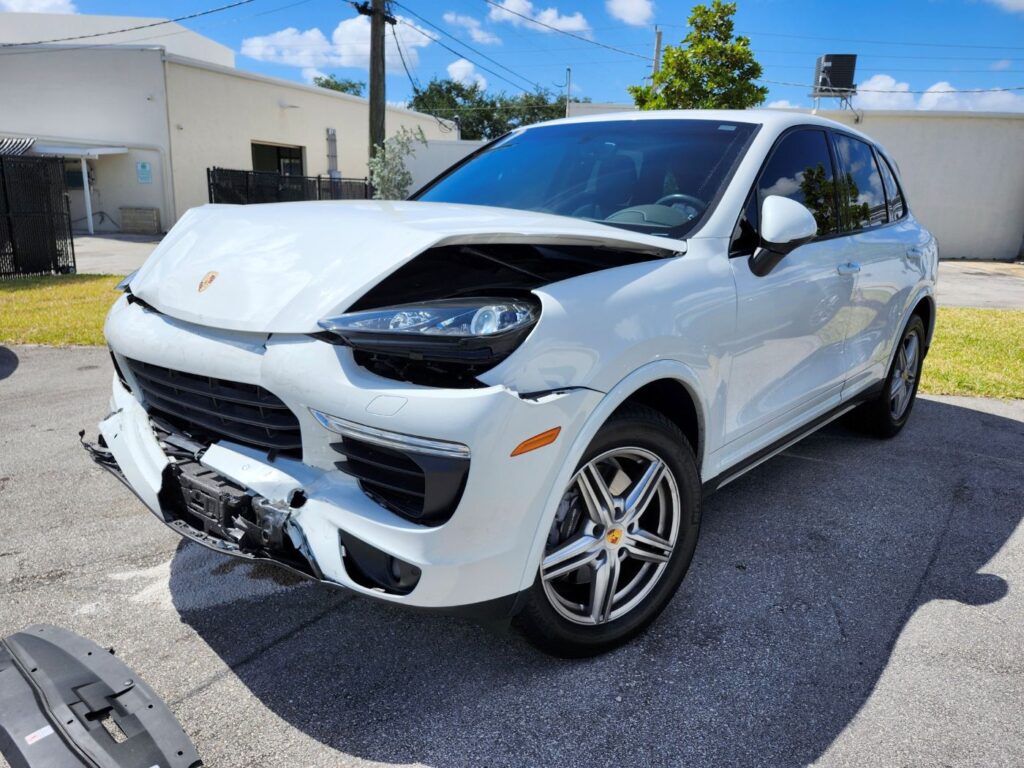
Diminished value refers to the reduction in a vehicle’s market value after an accident, even after repairs are made. This concept is crucial for vehicle owners seeking fair compensation from insurance companies.
Why It Matters
Understanding diminished value helps you maximize your insurance claim and protect your investment.
Claim Process
Filing a diminished value claim can ensure you receive the compensation you deserve.
How Insurance Companies Evaluate Diminished Value Claims
Insurance companies do not automatically calculate diminished value after an accident. In most Florida claims, the burden of proof falls on the vehicle owner to demonstrate that a measurable loss in market value exists after repairs are completed.
Many insurers rely on internal guidelines or standardized formulas that may not reflect real-world resale behavior. These internal models often apply age, mileage, and damage thresholds that are not grounded in actual market transaction data.
A professional diminished value appraisal focuses on documented market behavior, comparable sales analysis, accident severity, and long-term buyer perception rather than formula-based estimates.
Filing a Diminished Value Claim can be straightforward if you follow the right steps. This guide will walk you through the necessary documentation and help you avoid common pitfalls.
Discover the Impact of Diminished Value Claims on Your Vehicle's Worth
Our Diminished Value Claims service has a proven track record of maximizing compensation for clients. With our expertise, you can recover significant amounts after an accident.
High average compensation recovered through our claims process.
Great success rate for our Diminished Value Claims clients.
Understanding the Diminished Value Claims Process
At Auto Praise, we simplify the Diminished Value Claims process for you. Our expert team guides you every step of the way to ensure you receive the compensation you deserve.
Step-by-Step Claim Submission Process
We begin with a thorough vehicle assessment.
Expert Evaluation and Documentation
Our specialists document your vehicle’s diminished value.
Filing Your Claim with Insurance Companies
Submit your appraisal report and demand letter to the at fault insurance company.
• After an accident
• When dropping off or picking up from the body shop
• When insurance says “we don’t pay diminished value”
• Before accepting a settlement
Florida Diminished Value Claims: The Complete Guide
In Florida, diminished value claims are governed by specific case law and insurance principles that many vehicle owners are not fully aware of. Insurance companies are required to evaluate loss in market value when properly presented with supporting documentation. However, the burden of proof typically falls on the vehicle owner. Understanding how diminished value works under Florida law can help you make informed decisions before accepting a settlement offer.
What Is Diminished Value?
Diminished value refers to the loss in market value that a vehicle experiences after being involved in an accident even after it has been properly repaired.
Once a vehicle’s accident history is recorded on Carfax or AutoCheck, it is no longer considered equal in value to an identical, undamaged vehicle.
This loss in resale or trade in value is what’s known as inherent diminished value.
At Auto Praise, we specialize in professionally determining this loss through a certified diminished value appraisal.
Our reports are USPAP-compliant, detailed, and backed by decades of experience in both the mechanical and insurance industries.
Types of Diminished Value
There are generally three recognized categories of diminished value:
- Inherent Diminished Value: The most common form. The loss in market value that remains simply because the vehicle now has an accident history.
- Repair-Related Diminished Value: Loss caused by incomplete or improper repairs.
- Immediate Diminished Value: The difference in value immediately after the accident but before repairs.
In Florida third-party claims, inherent diminished value is the most frequently pursued category.
What Happens After You Submit the Appraisal
Once your diminished value appraisal report is submitted to the at-fault insurer, the claim typically enters a negotiation phase. The insurer may request clarification, attempt to reduce the amount, or dispute methodology.
Structured documentation, clear comparable analysis, and defensible market support significantly improve the likelihood of meaningful recovery.
Why Insurers Are Required to Pay Diminished Value in Florida
In Florida, diminished value compensation is not optional — it is a legal right under established case law.
The courts, not the insurance policy, determine that an insurer must indemnify the claimant for their full financial loss caused by an accident.
That includes not only the cost of repairs but also any loss in market value once the vehicle has been repaired.
This means that if your vehicle was damaged by another driver (a third-party claim), the at-fault party’s insurer is legally responsible for compensating you for your diminished value.
This right is supported by multiple court decisions, such as Siegle v. Progressive (2000), which established that policy language does not override the claimant’s right to full indemnification.
Who Can File for Diminished Value in Florida
Only third party claimants are eligible to recover diminished value under Florida law.
This means your vehicle was damaged by someone else who was found to be at fault.
If you caused the accident or are filing under your own insurance policy (first party claim), you generally cannot pursue diminished value unless your policy specifically allows it which is rare.
How the Property Damage Portion of an Auto Insurance Policy Works
To understand how diminished value fits into the insurance process, it helps to look at how a typical auto insurance policy allocates coverage:
- Bodily Injury Liability: Covers injuries to other people caused by your negligence.
- Property Damage Liability: Covers damage to other people’s property, including vehicles.
- Collision Coverage: Pays to repair your own vehicle if you’re at fault.
- Comprehensive Coverage: Covers non-collision losses such as theft or hail.
- Personal Injury Protection (PIP) : Covers your medical expenses, regardless of fault.
When you file a third party property damage claim, the at fault party’s insurer is responsible for all financial losses under their property damage coverage including:
- The cost of repairs to restore your vehicle to pre loss condition.
- Rental car fees or loss of use while your vehicle is being repaired.
- The diminished value that remains even after quality repairs are completed.
Florida’s minimum required property damage coverage is $10,000, though many drivers carry higher limits. If the repairs to your vehicle exceed this amount, then there is no coverage left to pay for diminished value.
Why Diminished Value Is a Valid Claim
The premise of diminished value is rooted in the doctrine of indemnity, which holds that an insurance company must restore you to the same financial position you were in before the loss occurred.
If your vehicle was worth $40,000 before the accident and is worth $35,000 after repairs, you have sustained a $5,000 loss in market value and the insurer is obligated to make you whole.
At Auto Praise, we quantify that loss using damage repair bills, market supported data from reputable sources such as Black Book, J.D. Power, Kelley Blue Book, Carfax, AutoTrader, real world market values, and trade in offers .
Our methodology reflects real world resale values, not inflated retail figures or theoretical estimates.
The Legal Foundation of Diminished Value in Florida
Florida diminished value claims are rooted in the legal doctrine of indemnity, which requires that an injured party be restored to their pre-loss financial position. Courts have consistently recognized that repair costs alone do not always accomplish full indemnification when market stigma remains.
In third-party claims, the at-fault party’s insurer is responsible for all measurable economic loss caused by the accident, including documented loss in market value after repairs are completed.
Although insurers may dispute the amount, diminished value itself is not a speculative concept. It is a market-based economic reality.
How the Diminished Value Process Works
The process of pursuing a diminished value claim in Florida typically follows these steps:
- Get the Vehicle Repaired. The vehicle must be repaired before the loss in value can be assessed.
- Confirm Liability. The at fault driver’s insurance company must have accepted liability for the accident.
- Obtain the Estimate of Record. Request the complete repair estimate with all supplements from the body shop.
- Submit to Auto Praise. Email the estimate and photos to Auto Praise for a free preliminary claim review.
- Certified Appraisal. We prepare a USPAP compliant diminished value appraisal report determining your loss in value.
- Submit to the Insurance Company. You send the report with a demand letter requesting compensation for the loss.
Not every accident results in diminished value. If a vehicle is declared a total loss instead of repaired, the valuation process is different and focuses on Actual Cash Value rather than post repair market stigma. Learn more about how total loss appraisals work in Florida.
How We Calculate Diminished Value
A proper diminished value appraisal begins with establishing the vehicle’s pre-loss market value using verified comparable sales data.
We then analyze repair documentation, accident severity, structural involvement, airbag deployment, panel replacement versus repair, and long-term market perception.
Finally, we compare post-repair trade in market behavior for similar vehicles with documented accident history to determine the measurable reduction in resale value.
This methodology relies on real market evidence, not arbitrary percentage formulas.
Common Questions About Diminished Value Claims in Florida
1. What is a diminished value appraisal?
A diminished value appraisal is an independent professional valuation that measures how much a vehicle’s market value decreased after an accident, even if repairs were properly completed. It documents the permanent loss in resale value caused by damage history and market perception.
2. Who qualifies to file a diminished value claim in Florida?
In Florida, diminished value claims are most commonly pursued as third party claims against the at fault driver’s insurance company. First party diminished value claims may be restricted or excluded depending on the specific language contained in the insurance policy.
3. What is the difference between a first party and third party claim?
A first party claim is filed against your own insurance policy. A third party claim is filed against the at fault driver’s insurance company. In Florida, diminished value recovery is typically pursued as a third party property damage claim, while first party claims depend on the policy language and coverage terms.
4. What criteria do insurance companies use when evaluating diminished value claims?
Insurance companies often apply internal eligibility guidelines when reviewing diminished value claims. These may include vehicle age, mileage, prior accident history, ownership status, and overall condition. These guidelines are not statutory requirements, and each claim should be evaluated based on actual market impact and supporting documentation.
5. How is diminished value calculated?
Diminished value is determined by analyzing pre loss market value, post repair condition, comparable vehicle sales data, accident severity, repair quality, and long term market perception. A professional appraisal relies on actual market data rather than standardized insurance formulas.
6. Does a Carfax or vehicle history report affect diminished value?
Yes. Once an accident is reported to vehicle history databases such as Carfax or AutoCheck, it can permanently impact resale value. Many buyers are hesitant to pay full market price for vehicles with documented accident history, even when repairs were properly completed.
7. How long do I have to file a diminished value claim in Florida?
In Florida, property damage claims generally fall under a four year statute of limitations from the date of loss. However, insurance policy deadlines and claim handling timelines may vary, so it is advisable to begin the process promptly.
8. Why should I not rely solely on the insurance company’s formula?
Insurance companies often use automated valuation systems or standardized formulas that may not reflect actual market behavior. An independent diminished value appraisal provides documented support based on comparable sales data and established valuation methodology.
9. What documentation is needed for a diminished value claim?
Supporting documentation typically includes repair invoices, insurance claim information, photographs of the damage, and vehicle history reports. An independent appraisal report organizes and substantiates this information in a structured and defensible format.
10. Does Auto Praise handle diminished value appraisals statewide in Florida?
Yes. Diminished value appraisals can be performed remotely throughout Florida using repair documentation, vehicle history reports, and comprehensive market analysis.
Common Insurance Carrier Objections And How They’re Addressed
Insurance carriers frequently argue that properly repaired vehicles suffer no measurable loss in value. However, documented resale data consistently shows that buyers discount vehicles with accident history, even when repairs meet industry standards.
Another common objection is that diminished value only applies to newer vehicles. While newer vehicles often experience higher measurable losses, market stigma can affect vehicles of various ages depending on accident severity and prior condition.
A structured appraisal report addresses these objections with documented market evidence rather than opinion.
When a Diminished Value Claim Makes the Most Sense
- Late-model vehicles with documented accident history
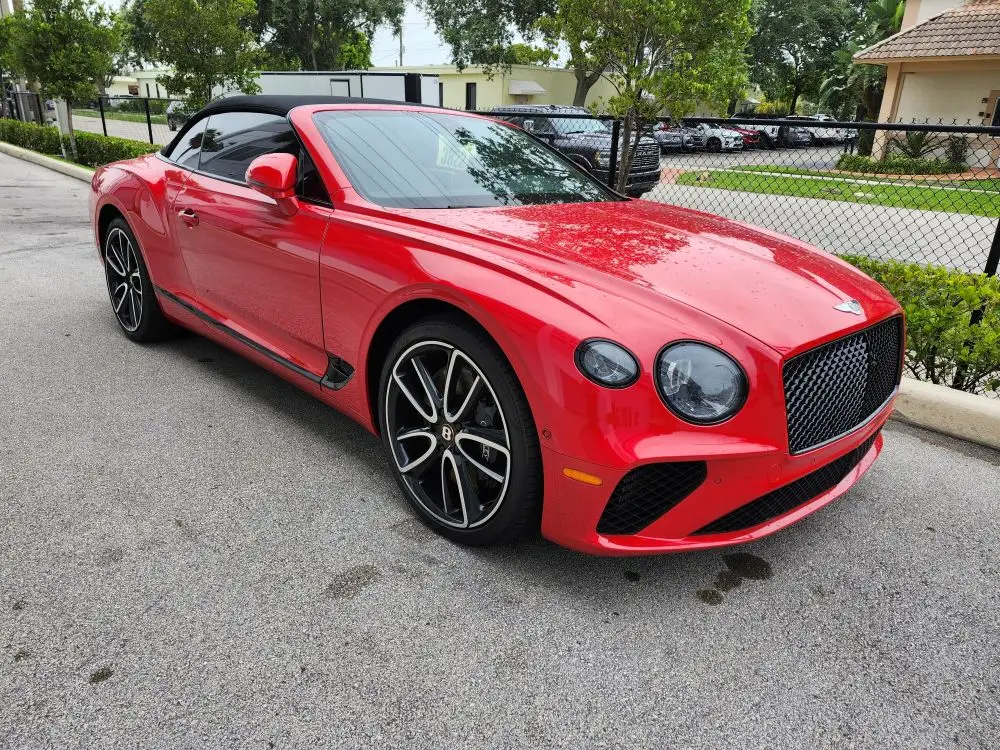
- Luxury or performance vehicles
- Vehicles with structural or frame repairs
- Airbag deployment cases
- Low-mileage vehicles in above-average condition
Not every accident produces measurable diminished value. A preliminary claim review helps determine whether pursuing a claim is financially justified.
Our Credentials and Expertise
Auto Praise is led by Daryl Zelinski, an I-Car Platinum Certified Auto Physical Damage Appraiser, IACP Certified Auto Appraiser, Florida Licensed Insurance Adjuster, and ASE Master Certified Technician, with over 30 years of experience in the automotive and insurance industries.
This unique background gives us an advantage, we understand vehicles from the inside out and know how insurers calculate, negotiate, and sometimes undervalue claims.
We’ve successfully negotiated and supported hundreds of claims, including recent cases with settlements exceeding $5,600 for minor damage on late-model luxury vehicles.
Every appraisal is supported by our experience working with insurers, attorneys, and body shops across Broward and Palm Beach Counties, ensuring you receive a report that holds weight in negotiation or legal proceedings.